What Really Makes Your Home Sound System Sing
Why two systems with identical specs can sound worlds apart
Buy the same speakers, the same amplifier, at the same price tag, and you can still end up with two systems that sound nothing alike. One draws you in from the first note. The other underperforms and blends into the background. It’s easy to blame the gear for that.
Though gear matters, spec sheets alone won’t result in a great listening experience. Gear doesn’t live in isolation. Where your speakers live and what they’re paired up with will affect overall performance, as will much-needed post-installation calibration. Building a home listening space worth sitting down for takes more than a shopping list to accomplish.
No Two Rooms Will Sound the Same
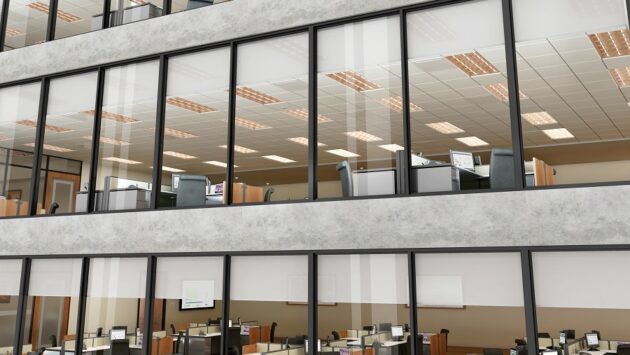
Did you demo a speaker in a showroom, and now it sounds entirely different at home? That’s because every room has its own acoustic fingerprint. Some rooms with hard floors or floor-to-ceiling windows make sound bounce around and make music sound tinny. Overcorrect too much in the other direction with soft furnishings and carpets, and sound gets absorbed, making your recordings sound dull.
You always need to think about how a room’s ceiling height, shape, furniture, and windows will affect performance. You need a system designed around your room’s specific acoustics to correct problem spots like boomy bass or washed-out midrange. Otherwise, even premium components will struggle to perform in a space actively working against them.
Optimal Speaker Placement Makes All the Difference
Now that you know your room’s characteristics, you need to address them. The first way to do that is in how you strategically place your speakers. A few inches from a wall or an off-center placement can throw off imaging, muddy the bass, or leave a noticeable dead spot in the room.
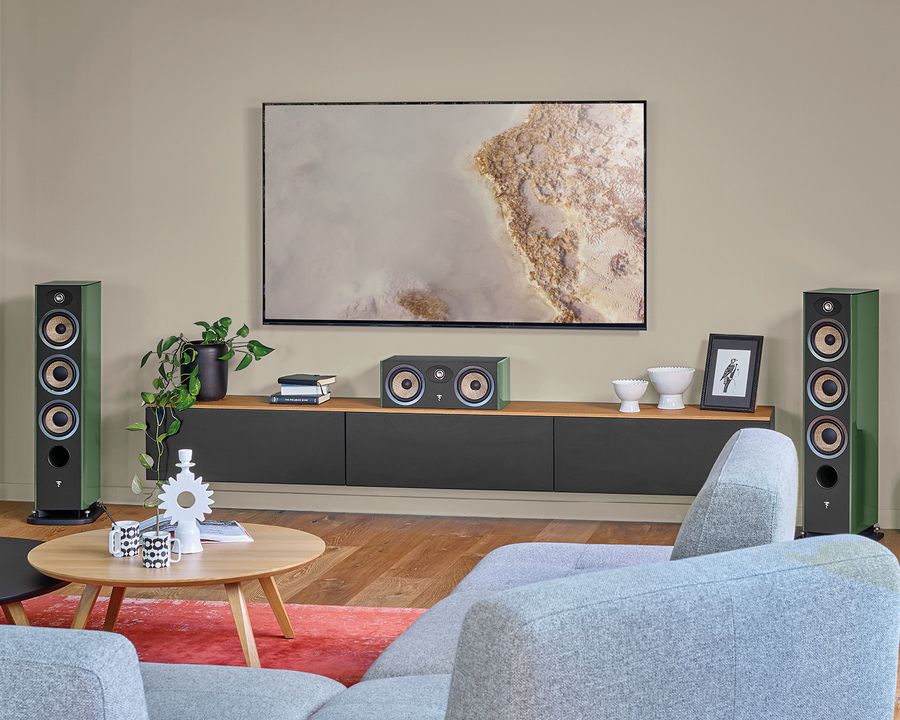
Professional installers rely on a few consistent principles: equal distance from the listening position, careful attention to toe-in angle, and enough separation from walls and corners to avoid unwanted bass buildup. In a whole-home system, that same attention extends to ceiling and in-wall speakers to get uniform coverage from room to room.
None of this requires sacrificing your home’s design. Speakers can disappear into a room and still deliver sound that fills the space evenly, without harsh spots or distortion that come from placing them as an afterthought.
Component and Source Quality Matter as Much as Specs
Two systems can list nearly identical specs and still sound completely different once the components are paired together. An amplifier that’s underpowered or overpowered for its speakers will color the sound, no matter how good either piece is on its own.
The source matters just as much. A heavily compressed streaming file won’t sound the way a well-mastered track does, no matter how capable the speakers are. Getting real value out of a system means matching amplification to speaker sensitivity and impedance, and paying attention to where the music itself comes from.
Calibration Is the Step Most Systems Skip
Your high-end audio system needs to be tuned to the room it lives in. Professional calibration measures how sound behaves in your space and adjusts the frequency response, speaker levels, and timing to account for what the room adds or subtracts on its own.
Skip this step, and great gear will underperform. Calibrate it properly, and the same gear reveals detail and clarity that wasn’t audible before. This is also where hearing a system in person shows you something words on a page can’t.
Comparing setups side by side, in a showroom or at a live demonstration, gives you a real sense of what different approaches to design and calibration actually sound like.
Hear the Difference for Yourself
Building a home listening space that does your music justice comes down to details most people never think to ask about: room acoustics, placement, component matching, source quality, and calibration working together. The best way to understand the difference is to hear it for yourself.
Stop by our Stonington, CT, showroom for a private listening session and hear how thoughtful system design changes what your favorite music actually sounds like. Serving the Connecticut and Rhode Island shoreline, we’re ready to help you build a space you’ll want to sit down in.