What a ‘Fully Integrated’ Home Really Looks Like
Moving Beyond the Disjointed Devices & Controls
What is a fully integrated home? Unlike owning a collection of smart devices, an integrated home means every system in your house (lighting, shading, entertainment, security, climate) is synced to one centralized control platform. Everything communicates through one interface, regardless of the individual device’s manufacturer.
Creating such effortless integration requires careful planning and, ideally, data wiring run discreetly behind the walls. If you’re building a new property or renovating, now is the perfect chance to create a fully integrated experience. Here’s why that matters and will pay off in the long run.
Integration Usually Starts Small & Expands For Good Reason
A simple service request often uncovers new opportunities. You might begin by mounting a TV in the living room or adding ceiling speakers to the kitchen. Maybe you’re installing a home theater or simply looking to improve Wi-Fi performance.
Then questions follow. Where will the equipment live? How will everything be controlled? Will lighting cast shadows or glare in all the wrong places? Can I use the same remote to control lights and motorized shades?
When these decisions are made together, the home feels more intentional. When they’re made separately, the experience becomes fragmented. We’ve seen homes with beautiful finishes but cluttered walls of on/off switches. Or lighting that works on paper but not in real life. Integration solves that by aligning every system early in the process.
The Difference Between ‘Connected’ and ‘Integrated’
There’s a common misconception that if everything in your house has an app, your home is integrated. In reality, that’s just a digital junk drawer. True integration means your lighting, shading, climate, audio, and security all communicate with each other.
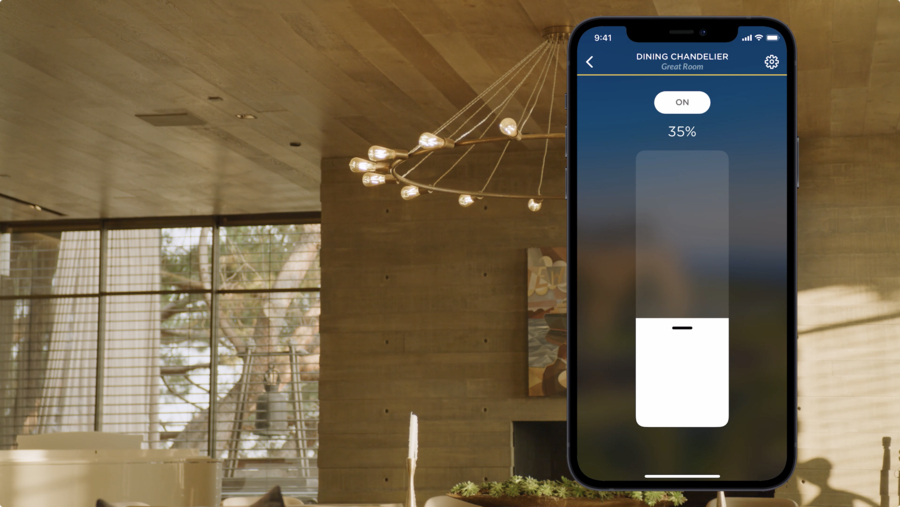
When these systems are planned in isolation, you end up with redundant controls and confusion. So instead, we replace piles of remotes and banks of switches with a single, elegant keypad or simple voice commands.
One button labeled “Away” can lock the doors, arm the security, shut off every light, and set the HVAC to energy-saving mode instantly. That’s integration.
What’s Planned Before Installation Begins
A fully integrated home is defined long before installation day. The planning phase is where everything comes together. Here’s what that typically includes:
- Infrastructure & Network Readiness: A strong wired and wireless network supports every device. This is the backbone. Without it, performance suffers.
- Lighting & Shade Design: Not just where fixtures go, but how they behave. Scenes, dimming, and natural light control shape how each room feels.
- Equipment Locations: Centralized racks keep gear organized, ventilated, and easy to service. It also removes clutter from your living spaces.
- Control Strategy: Keypads, touchscreens, remotes, and voice control are mapped out so the system feels simple from day one.
What Happens When Integration Isn’t Coordinated?
When modern technology systems are designed in isolation, issues tend to show up later, adding unexpected costs. Common problems include:
- Missed or insufficient wiring behind finished walls
- Devices that don’t communicate across different ecosystems
- Delays caused by trades waiting on each other
- Finger-pointing when something doesn’t work as expected
By contrast, in a fully integrated home, everything responds together. Walk into a room and it’s already set the way you like it. Leave for the evening and the entire home powers down in a single command. It’s really that simple.
Get A Partner Who Connects The Dots
Castle Hill Audio Video approaches projects as one connected system, not a collection of parts. That means coordinating with your architect, builder, and electrician while managing the technical roadmap from start to finish.
Our goal is simple: create a home that feels cohesive, reliable, and intuitive, where you don’t have to second-guess how anything works.
If you’re planning a new build or home renovation, contact Castle Hill Audio Video to ensure your lighting, climate, entertainment, and security are fully integrated from the start.